Showing posts with label raw. Show all posts

Thursday, 27 July 2017

Raw vegan cacao tart

Ingredients:

For the base

200g almonds
5 medjool dates (destoned)
150ml coconut oil (melted)
50g dessicated coconut

For the topping

250g unsalted cashew nuts
1/2 cup raw cacao powder
1 tsp vanilla essence
1/4 cup agave syrup
150ml coconut oil
50ml water


Method:

Soak the cashews in a bowl of water for an hour. You can use them unsoaked but it gives a much smoother texture if you can soak them first. 
In the meantime make the base. Blitz the almonds in a high powered food processor and then add the dates, coconut oil and dessicated coconut. Blend until well combined. 
Press into a non-stick springform cake tin and put in the freezer while you make the topping. 

When the cashews have finished soaking, drain and rinse and then put in your food processor with the rest of the topping ingredients. Blitz until really smooth. NB if you're still left with a grainy texture you can finish off in a Nutri Bullet or Nutri Ninja to get a really creamy consistency. 
Pour the mixture over the base and put in the fridge to cool for at least an hour or until ready to serve.


Thursday, 2 February 2017

Retreat recipes - vegan energy balls


There's no need to fork out on expensive healthy vegan snacks when you can whip some up in minutes. The best bit about these nutritious protein balls is that you can substitute any of the ingredients for whatever you find in your cupboard or supermarket (within reason of course). One of our attendees suggested adding rum to the cacao balls, not a bad shout!

We made ours using the amazing Vitamix  but you can use any high powered food processor or blender.

Most of these will keep in the fridge for around a week, or can be frozen.


Simple apricot coconut balls

Ingredients

1 1/2 cups of soft dried apricots (or if using the harder ones, soak in a little boiling water for around an hour before to plump up!)

½ cup desiccated coconut

An additional ¼ cup of desiccated coconut

Juice of 1/2 a lemon (optional)

Blend the apricots and 1/2 cup of coconut in a food processor, until they are combined and smooth in texture. You may need to add a little extra water.

Place the additional ¼ cup of coconut onto a tray or large plate.

Roll the apricot mixture into balls (about a heaped teaspoon per ball). Place the balls onto the tray where you put the additional coconut. Roll the balls until they’re all covered in coconut. Serve straight away or place the apricot balls into an air tight container and refrigerate.


Lime and matcha bites 

Ingredients

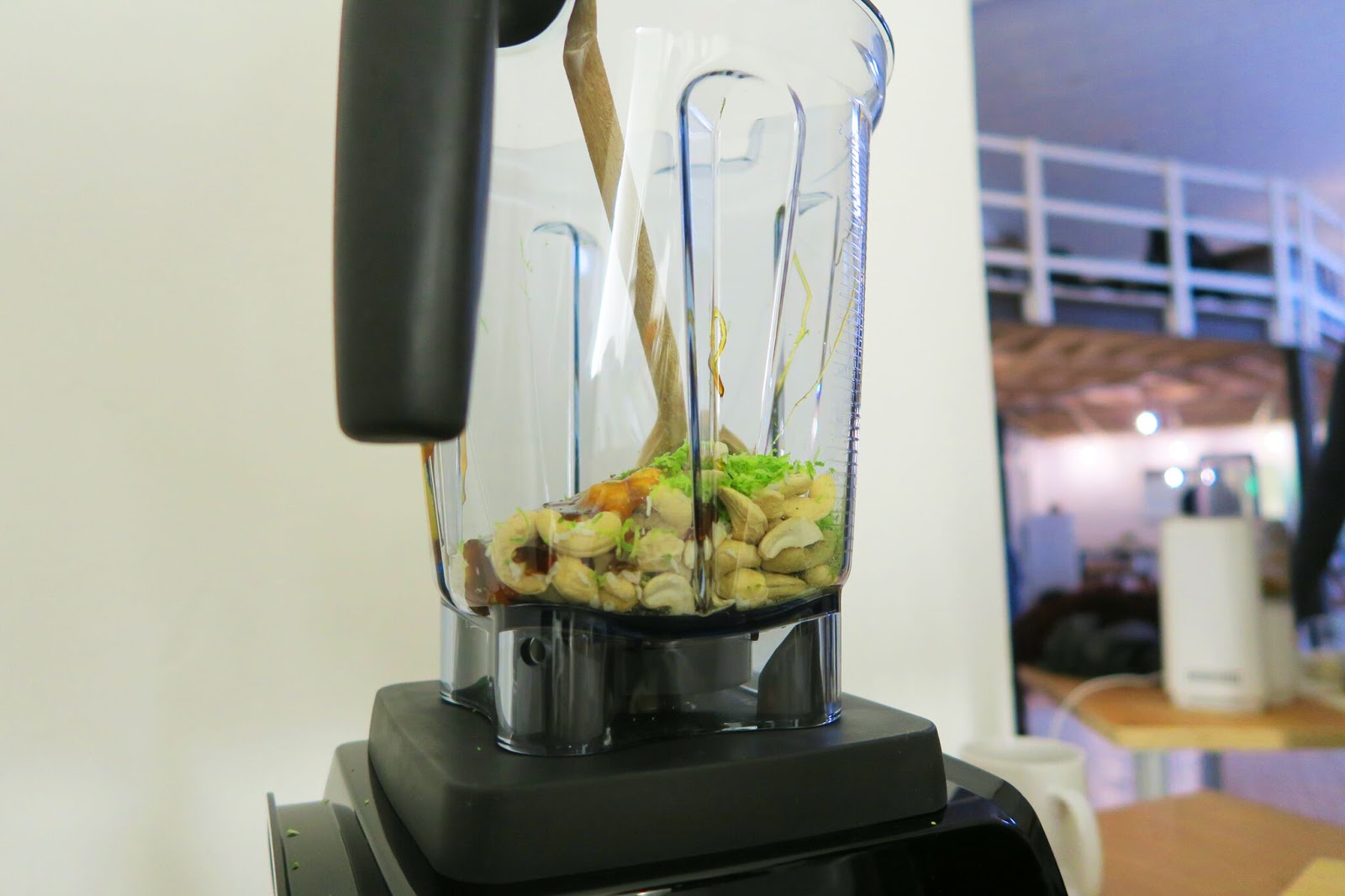
1 cup unsalted cashews

1/2 cup desiccated coconut

Juice and zest of 2 limes

2 tablespoons syrup (malt, honey, coconut)

2 tablespoons coconut oil, melted

1 teaspoon matcha green tea powder (optional)


Blend all of the ingredients in a food processor until smooth. Roll into small balls and place on aluminium foil on a baking sheet. Refrigerate until set and keep refrigerated until ready to eat. You can roll in extra desiccated coconut to finish.

Apple pie bites

Ingredients

1 cup pecans or walnuts

1 cup dried unsweetened apple rings (or 2 fresh apples, decored and quartered)

¾ cup pitted dates

1 tsp cinnamon

1/2 tsp nutmeg

pinch of himalayan salt

1/2 tsp ginger


If using fresh apple, blitz in the food processor and place between a few sheets of kitchen roll to absorb the excess moisture. Break the nuts down in a food processor. Add the rest of the ingredients and mix until a dough forms. Roll into balls. Refrigerate.

Raw cacao coffee truffles

Ingredients

1 cup pitted Medjool dates (about 15 whole dates)

½ cup almonds or other nuts

¼ cup raw cacao powder (or unsweetened cocoa powder if you can’t find raw)

2 tablespoons ground coffee

1 tablespoon chia seeds or other seeds (optional)

Pinch of salt

1/2 tsp vanilla essence


Combine all the ingredients in a food processor. Pulse until the almonds are in very small pieces and the mixture holds together when squeezed. Using wet hands, form into twelve 1-inch balls.

Thursday, 27 October 2016

Pumpkin cheesecake

When I worked at an American company, every Thanksgiving a colleague of mine would bring in the most amazing pumpkin chiffon pie. But at our vegan supper club last night we wanted to try out a vegan version without all the refined sugar and raw eggs! I think we got pretty close and I'll definitely be making this again.
Super-holistic chef Nic treated us to another perfect meal - a gorgeous Beet Bourguignon with sweet potato and celeriac mash for our first course, followed by this delicious alternative to the typical sickly-sweet Pumpkin pie.

Ingredients:

Base:

2 cups of porridge oats
1 cup of walnuts
2 tbsp coconut oil
1 cup of dates (destoned), soaked in boiling water for a few minutes

Blitz together and press into a spring form cake tin. Freeze.

Topping:

One can of pumpkin puree
1 cup (around 125g) cashews, soaked in boiling water for an hour
1 1/2 tsp chai spice (or allspice)
1/2 tsp cinnamon
1/2 tsp ground ginger
2 tbsp coconut oil
3 tbsp maple syrup

Soak the cashews for an hour and then drain. In a high powered food processor blend the cashew with a little water and then add the pumpkin. Slowly add the syrup and the rest of the ingredients, blending together until you have a smooth consistency. Pour on the mix on top of the frozen base and freeze for around an hour. When ready to serve, leave to thaw for around 20 minutes and serve with a spoonful of coconut milk.

If you want a lighter crust that's more like a pie you could also try using a gluten-free flour and vegan margarine, or simply buy a ready made pie crust!


Tuesday, 6 September 2016

The truth about soy

In a nutshell (if you can't be bothered to read the whole thing!)

  • Soya isn’t as healthy as we thought. If you’re going to have soy products choose fermented soy (miso, natto or tempeh)
  • Don’t give soy products to kids and limit your own intake. 
  • Avoid soy if you have thyroid issues, breast cancer or oestrogen related conditions (endometriosis, breast cancer or family history of). 


A few years ago I would always order soya milk in my cappucinos, cut out dairy pretty much altogether and even ate those soya ‘yogurts’. The reason was that a. I’d heard that dairy caused spots b. I knew that my stomach had always been a little bit sensitive to too much creamy food and c. Well, Soy was generally much healthier right? Maybe not..

The more I learnt about soy products, the more alarm bells started ringing. In particular when I starting researching and found out that soya products are not recommended for young boys due to the effect that it has on female hormones and also the potential link between too much soy and certain oestrogen linked illnesses. 

Without going into the extensive research (that would be a whole thesis), here are my thoughts on why soy/soya isn't the healthiest choice:


  1. Many soya products we consume are genetically modified 
  2. Most soya products contain things called ‘anti-nutrients’ that prevent absorption of iron, zinc, calcium and magnesium
  3. Too much soya may affect the function of the thyroid, potentially leading to thyroid issues
  4. Soya contains phytoestrogens - things which mimic the female hormone oestrogen. Although phytoestrogens have the potential to decrease risk of breast cancer, it’s unsure whether they could also increase risk of breast cancer and may even affect development of sex characteristics in boys and girls (hence why it’s not a good idea to use a soy based formula or give soya products to kids!)
  5. Soya products are typically highly processed (a standard soya milk contains Filtered Water, Whole Soybeans, Cane Sugar or other sugar/sweetener, Sea Salt, Carrageenan, Natural Flavor, Calcium Carbonate, Vitamin A Palmitate, Vitamin D2, Riboflavin (B2), Vitamin B12. Compare this to the ingredients list of organic cow’s milk - milk
  6. Soya milk and other products tend to contain added sugar (a standard soya yogurt has around 3 teaspoons of sugar).

Foods you might not realise are high in soy:

Meal replacement drinks and protein powders (not going to name and shame but check the labels). 
Burger meat and buns
Breadcrumbs, cereals and crackers and breaded foods
Infant formulas and follow on formulas
Deli meats
Baking products
Nutrition supplements (vitamins)

The good news is that there is an exception to the rule:

Fermented soy products like tempeh, miso and natto are the only ways I’d recommend eating soy (tofu is out too!). This traditional fermentation process helps to make the soya more digestible and also deactivates some of the anti-nutrients.

What are the best milk alternatives?  

This will be a whole other blog but my preference would be 
1. Organic cow, goat or sheep milk 
2. Good quality almond milk (check the ingredients and % of almonds actually used - many have as little as 2% almonds and contain all sorts of added sugar, salt and weird stuff!) Making your own is really easy - blog coming soon on how to! 
3. Hemp milk (again check ingredients) 
4. Coconut milk (check doesn't have tons of added sugar) 
5. Rice or oat milk (tend to be lower in protein and higher in carbs and often sugar though). 


Veggie alternatives to soy:

Lots of vegetarians and vegans eat soy as a protein source - instead, go for beans, legumes like chickpeas and peas, lentils, nuts and seeds, quinoa, buckwheat or organic eggs and dairy (if you’re not vegan). 

Monday, 5 September 2016

Berry-coco cheesecake — probiotic, raw, vegan, check.

This weekend I hung out with my fab friend and amazing pro chef Nicola Orr and we got stuck into some recipe planning and testing for my upcoming retreat in Mallorca!  

We’re both big fans of cakes with more to offer than a sugar hit so we tried a probiotic, raw, vegan blueberry cheesecake. And trust me - it tastes better than it sounds!

Why raw? 

While I wouldn’t recommend a fully raw diet, eating plenty of raw foods means you’ll benefit from eating whole, unprocessed foods which have the maximum nutrients in tact. Cooking and other processing techniques often destroys many vitamins and minerals that - vitamin C found in blueberries for example is destroyed by heat. 

Why probiotic? 

Probiotics are the lovely friendly bacteria that help to keep all of your body’s functions in check. These bacteria help to fight the ‘bad’ bacteria in the body (particularly in the gut), reduce inflammation, and they’ve even been shown to boost happiness and mental health and help you to stay a healthy weight!
Probiotics are found in foods in natural yogurt and kefir, tempeh and miso and fermented pickles like kimchi. This cake uses a probiotic capsule which is then left overnight with the cashew nuts to ferment - so not only are you benefiting from probiotic bacteria, but the fermentation also starts to break down the nuts so they're easier to digest! 

So how did we do it? (Recipe adapted from oosha.co.uk) Serves 12

For the filling:
250g cashew nuts
1 tsp probiotic powder (or 2 capsules)
water to blend
150g xylitol or coconut sugar
25ml lemon juice
50g cacao butter
50g coconut oil
1 serving of blueberry jam (see section below)
  • Soak 250g cashew nuts in water for a couple of hours. 
  • Blend with 1 tsp of probiotic powder (or if you have capsules, 2 capsules) and a little water. I used a strong food processor but you could also use a Nutri Buller/Ninja. 
  • Keep blending until smooth - stirring the edges when needed. This takes longer than you think!
  • Transfer to a bowl and cover with clingfilm (pressing film right down on cashew mix) and keep in a warm place overnight.

To make the crust:
150g mixed nuts
150g desiccated coconut

75g coconut sugar
2 tbsp lucuma (optional but gives it added sweetness and an extra anti-oxidant boost!)
1 tsp vanilla essence or powder (optional)
25g cacao butter, melted
15g coconut oil, melted
60ml water

Press down into tin
In your high powered food processor or blender, blitz the nuts but keep a bit of chunk. In a large bowl stir in the coconut and then add the lucuma, vanilla, melted cacao butter and coconut oil. Adding enough water to make mixture sticky but still crumble-like. Using your hands mix it all well. 

Line a springform tin with clingfilm and then press the mixture down until really compact and then put in the freezer to harden while you finish the filling. 

To make the blueberry jam:
Stir jam regularly
250g frozen blueberries
juice of 1 and a half lemon
zest of one and a half lemons
25g xylitol or coconut sugar

In a heavy based saucepan, add all of the ingredients and heat over a medium heat for around 30 minutes, stirring regularly to avoid burning. You want most of the liquid to evaporate so you end up with a thick jam-like texture. Leave to cool.

For the filling:
Blend cashew with jam
Put your fermented cashew mix in the blender and add the blueberry jam. Blend well. Then pour in your melted cacao butter, coconut oil and lemon juice. Keep blending until you have a really smooth texture (you don't want a grainy cheesecake). Taste and add a little more lemon or zest if needed (we added more as it was quite sweet). 
Pour into tin
Pour the filling onto the crust and then freeze for around 4 hours. When ready to serve, decorate with a little coconut and fresh blackberries or blueberries. 


Enjoy x 


Wednesday, 24 August 2016

Is 'clean-eating' all that's wrong with our attitude to food?

Many of you will have seen the BBC One doc last night 'Clean Eating's Dirty Secrets' and as a nutritionist with a qualification not bought off the internet ;-) I thought I'd share my thoughts on the #cleaneating phenomenon.

Eating Clean has taken over from veganism, raw food and Paleo in the 'buzz diets' of 2016 and you only have to take a look at Instagram to see how many people have jumped on the clean bandwagon. But what does eating clean actually mean?

There's no one set definition but clean eaters generally avoid the following:
  • refined sugar 
  • wheat
  • dairy
  • gluten
  • alcohol
  • caffeine
  • any processed foods

The hardcore clean eaters will also not eat any animal products, grains and certain types of higher sugar fruit or vegetables. Others will eat animal products providing they're organic, grass-fed or free-range.

So in essence, many of the concepts of 'clean eating' are pretty sensible - eat whole foods, avoid processed foods, and don't drink too much caffeine or alcohol. All good so far.

What isn't so good (in my opinion) is the use of the word 'clean'. This implies that any food not on the 'ok list' is somehow dirty, sinful, unpure, bad, naughty and should come laden with guilt. With so many pressures already on us, do we really need to be feeling bad because we had a glass of wine after work or a slice of white non-spelt real toast for breakfast with actual bacon and actual ketchup?
And on the flip side should we feel any purer, better, more worthy than others because we had a green smoothie for breakfast rather than a croissant?

Unfortunately I do agree with the BBC doc that the extreme clean eaters are suffering from a new kind of eating disorder and due to the sheer number of followers it now seems that these obsessive habits have been normalised. So while I'm not saying that following the general principles of 'clean eating' is harmful, to stick to them so rigidly that you feel guilty if you don't, to miss out on a social life because it doesn't fit with your food plan,  to harm your long term health for short term gains and to miss eating the foods you actually love, definitely isn't good for your health or happiness.


While I may be guilty of posting #proteinbites #greenjuice  on #instafood from time to time I would always hope that my message of happiness over denial and balance and moderation over strict rules is the one that shines through.

I'd love if we could ban the phrase 'clean eating' and let's get back to focusing on enjoying the foods in a way that we know that will make us feel good now and in the future - whether that's chocolate or cauliflower rice!

I'd love to know your thoughts on this too - feel free to comment below.


Thursday, 21 April 2016

Lime and ginger raw 'cheesecake'


Ingredients:

Topping
4 ripe avocadoes
8 limes
2 tbsp honey or brown rice syrup
4 tbsp coconut oil, melted

Base 

4 cups of whole oats (could use buckwheat or quinoa flakes if you're avoiding gluten)
4 tbsp coconut oil, melted
12 dates, pitted (if using medjool dates 8 is enough)
1in fresh ginger peeled and sliced

In a powerful food processor first blend the oats and ginger until almost flour like. Melt the coconut oil gently in a pan or microwave and add to the oats with the dates. Add a little warm water and blend until the mixture becomes sticky. 


Spoon the mixture into a lightly greased cheesecake tin and press down until tightly packed. Refridgerate. Wash your food processor and add the avocado flesh, juice of 8 limes and zest of two. Then add the honey and melted coconut oil. Blend well until smooth. Add more honey or lime to taste. Pour onto base and refrigerate for a couple of hours or until ready to eat.